Project description
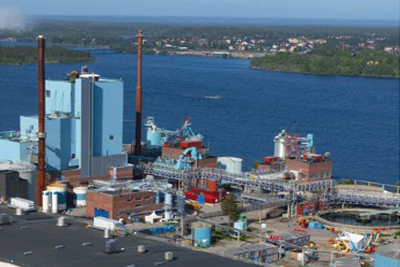
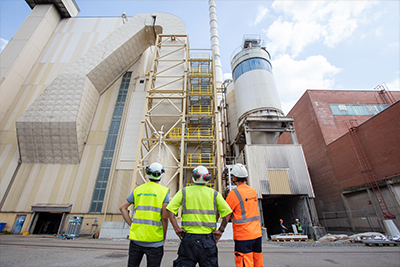
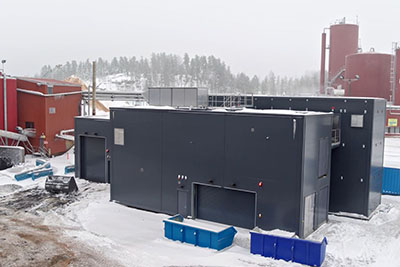
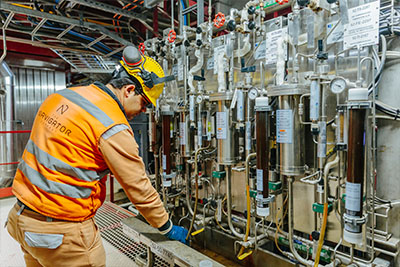
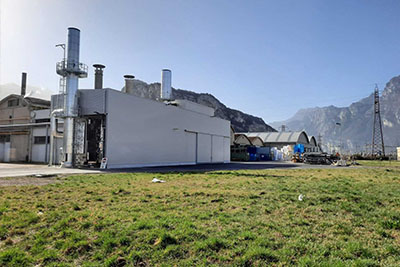
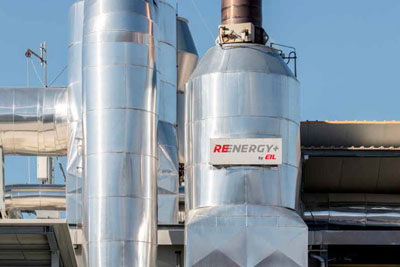
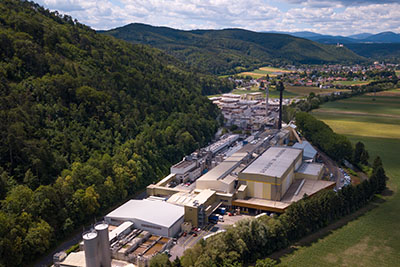
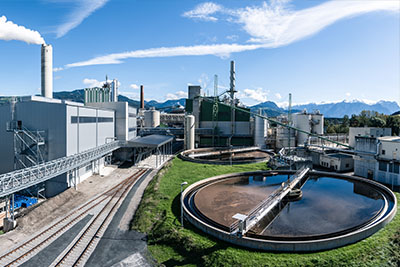
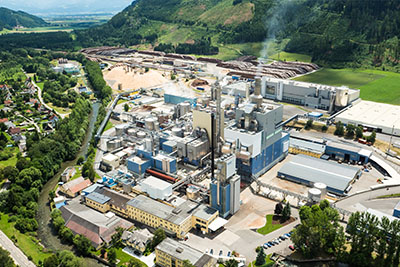
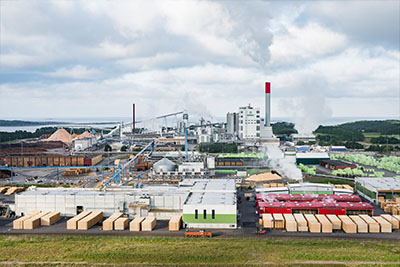
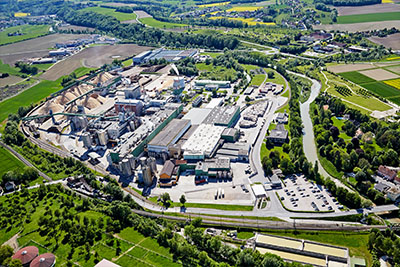
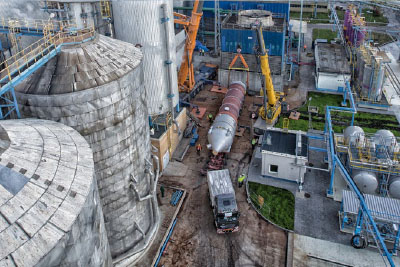
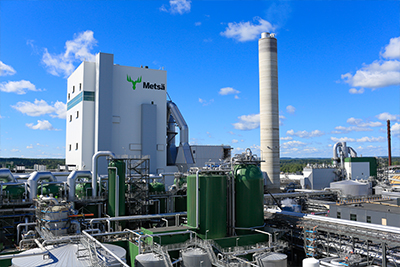
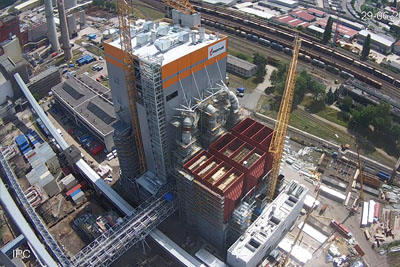
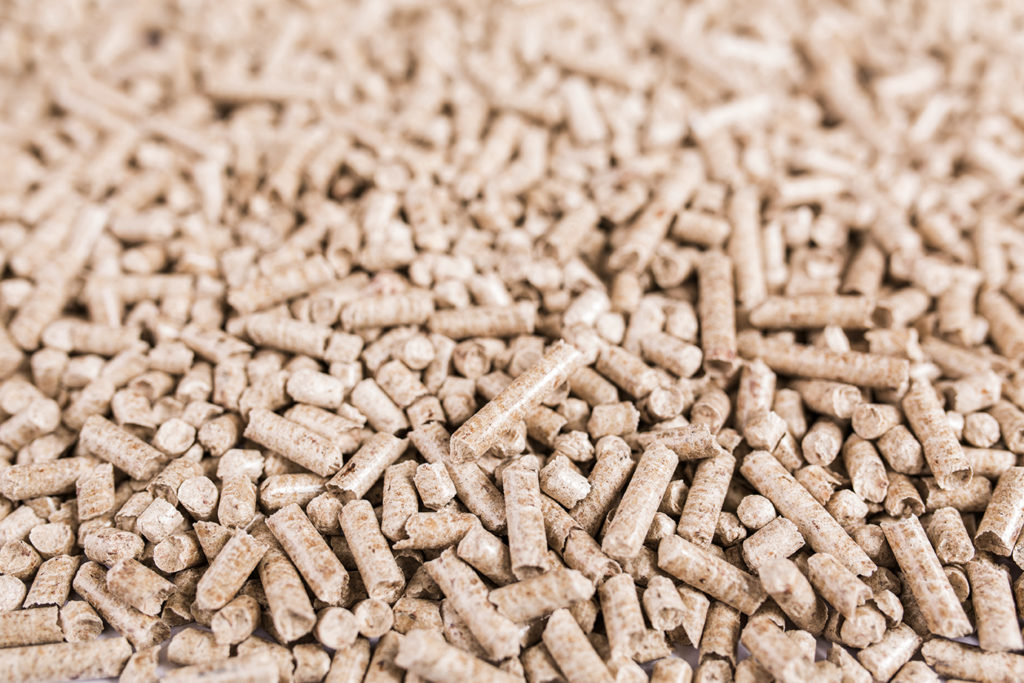
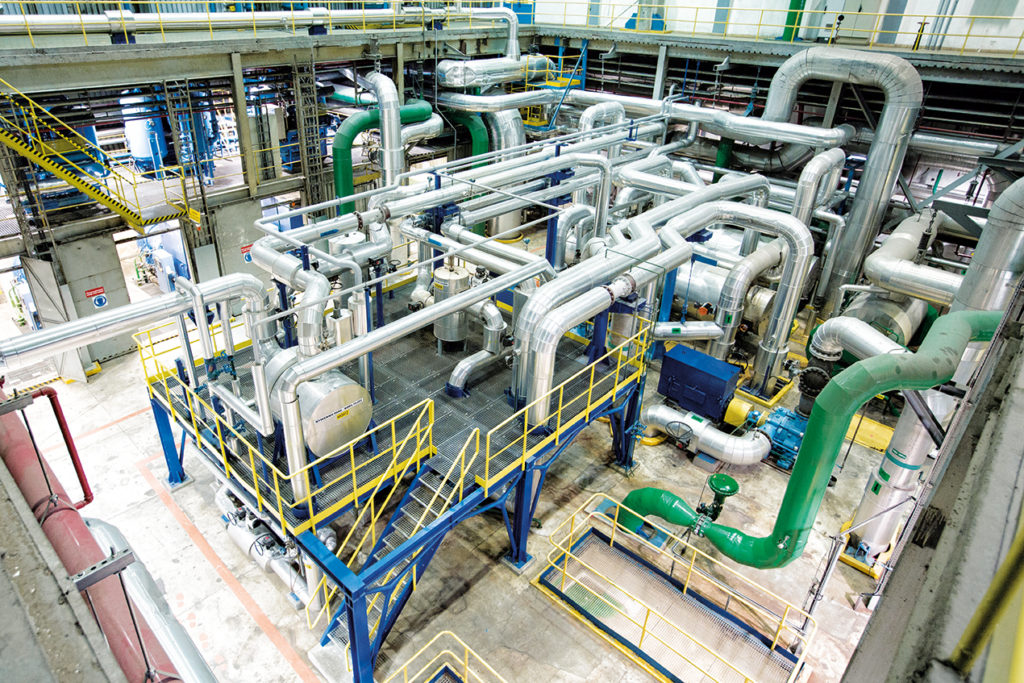
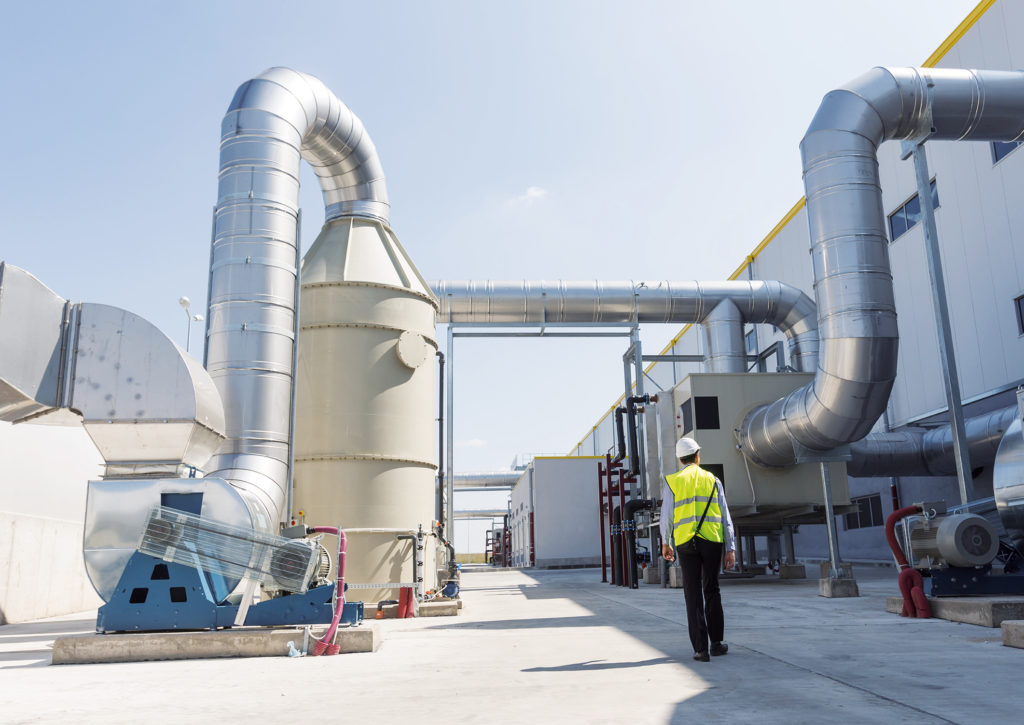
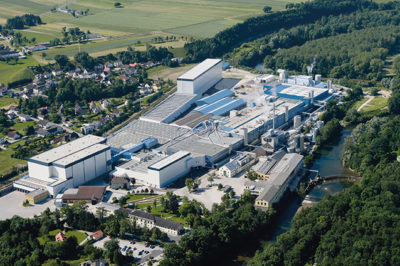
Lecta has invested in a refuse-derived fuel (RDF) boiler at its Condat paper mill in France, operational since September 2024. This was a great energy transformation project offering multiple environmental and economic benefits, in line with Lecta’s sustainability goals.
By using locally-sourced RDF solid fuel with high biogenic content, the Condat mill aims to achieve three main reduction goals:
• CO2 emissions, improving its environmental impact,
• fossil fuel consumption, developing circular economy practices,
• and waste landfilling, improving local circumstances.
The RDF boiler will reduce CO2 emissions by 16.000 tonnes annually. The circular initiative collects waste with high biogenic content from local sources that cannot currently be recovered, reducing the volume of waste that would otherwise end up in landfills.
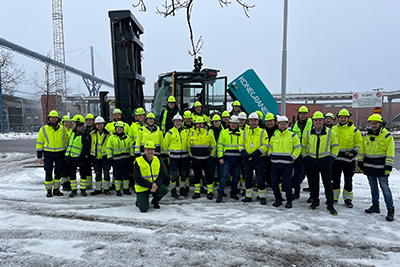
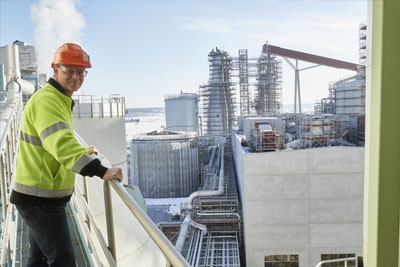
The new boiler will meet the mill’s steam needs. Local authorities, Lecta’s staff, and key suppliers had the opportunity to visit the RDF boiler; the project had been promoted internally and externally.
This kind of project can be triplicated in other regions or countries as it relies on sorted waste as fuel.
The implemented solution
This RDF boiler is a bed fluidised boiler of 32 MW thermal.
The key hurdles solved
• Acceptance by the neighbourhood,
• New legislation without industrial experience, which required discussion and negotiation on certain aspects,
• Fuel supply: we developed and implemented a multi-supplier strategy.
Key Suppliers / Partners
Main suppliers are:
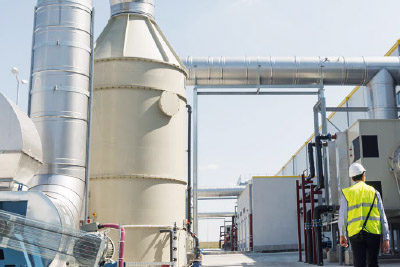
- VALMET Technologies: boiler, flue gas treatement.
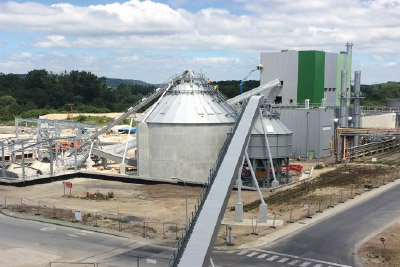
- SERA Bois: unloading, conveying, fuel storage.
- E’NERGYS: engineering.
Main partners are:
- ADEME: subsidies and support.
- KYOTHERM: financing partner.
- DREAL: environmental authority