Project description
The TRANSPAC project integrates an innovative and efficient heat pump to decarbonise industrial hot air dryers. By combining a transcritical cycle with a refrigerant adapted to temperature needs, it reduces energy consumption and CO2 emissions, addressing a major challenge.
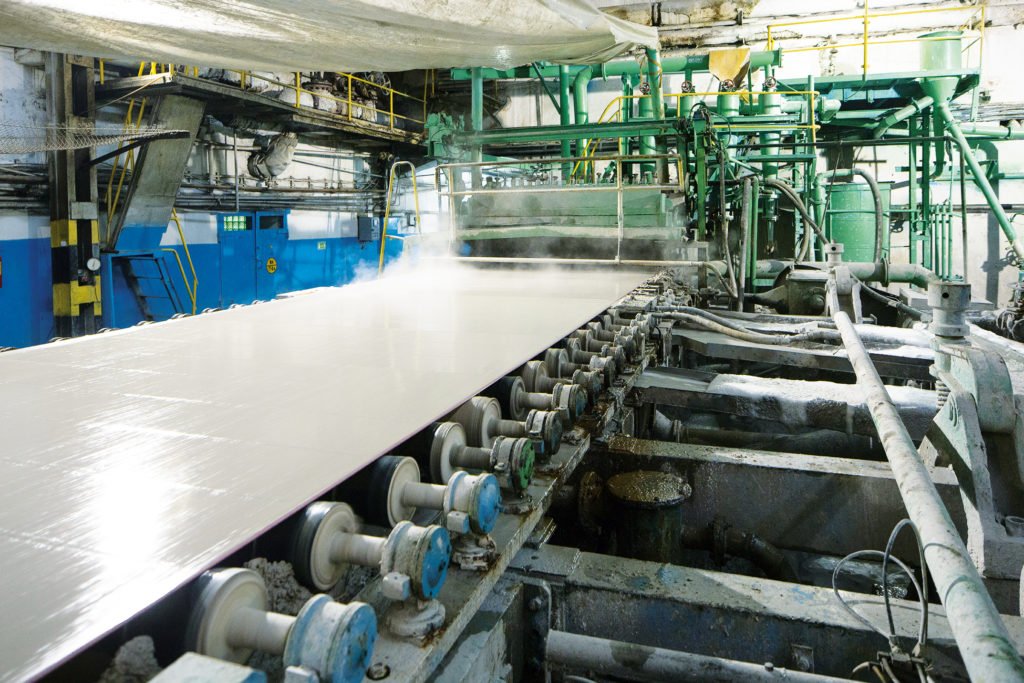
The heat pump recovers heat from the pulp dryer air and uses it to preheat the new fresh air before it enters the dryer. A demonstration was carried out as part of a thesis hosted by ARMINES and co-funded by EDF (2012-2015). The 30 kW thermal model demonstrated a coefficient of performance (COP) of around 4 for the temperature lift from 50°C (heat source) to 120°C (final temperature need).
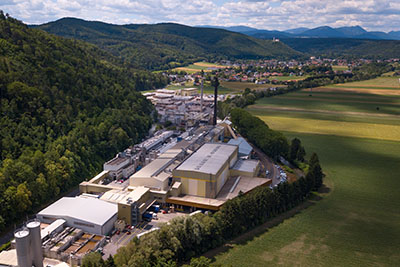
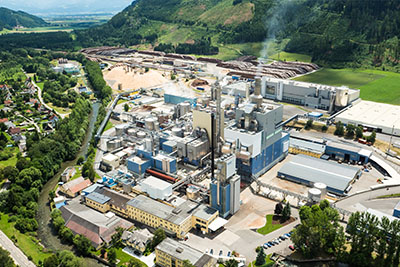
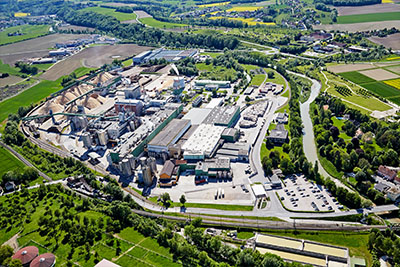
The TRANSPAC project sought to design, build, and implement a full-scale industrial transcritical heat pump on a paper pulp dryer at WEPA Greenfield in Château-Thierry.
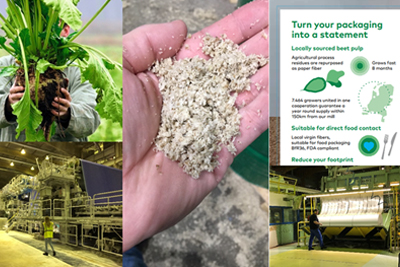
To support the market launch of its sustainable beige products, WEPA initiated a business-to-consumer campaign called ‘Beige is better’.
The implemented solution
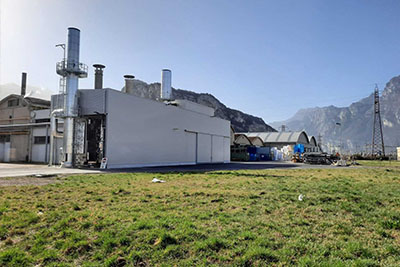
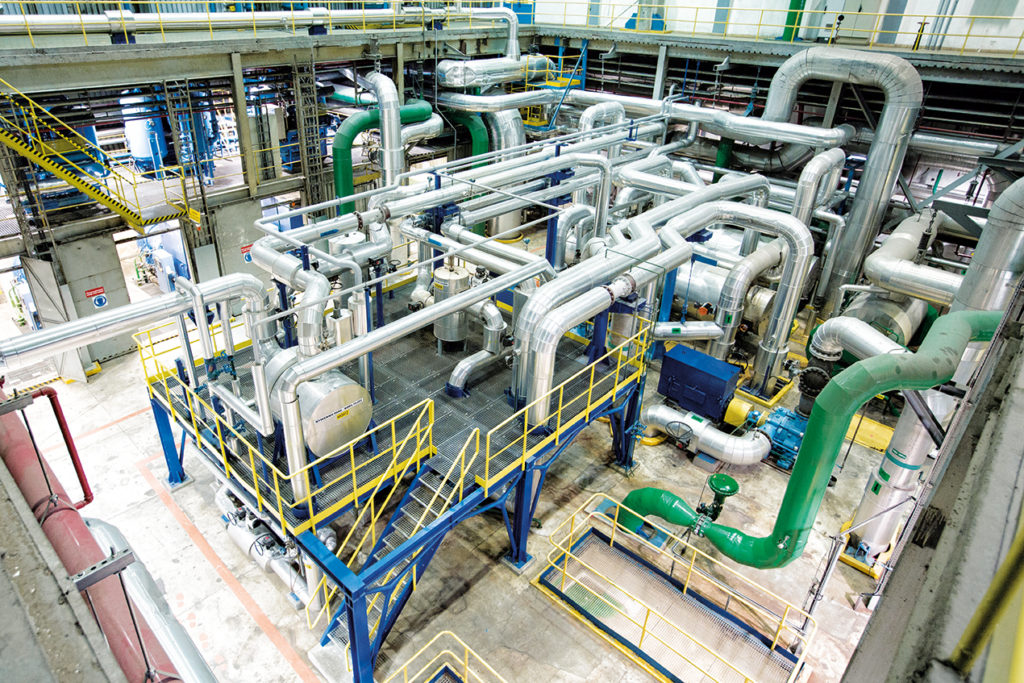
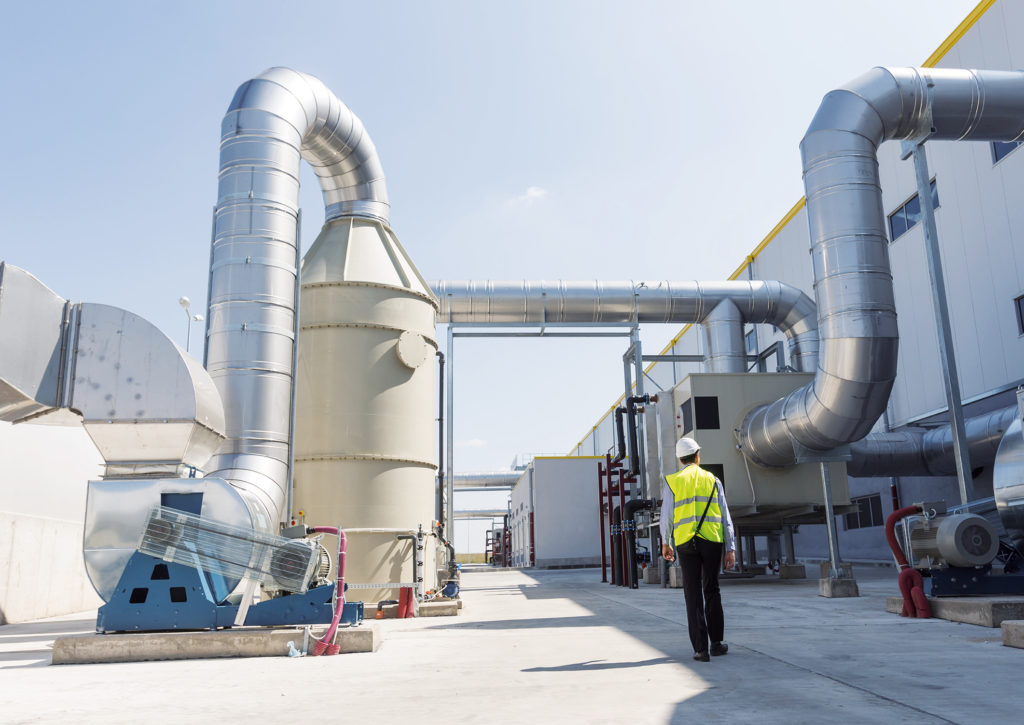
The heat contained in the extracted vapours (80°C) from the dryer is recovered through a heat exchanger, which evaporates the refrigerant fluid contained in the heat pump at 65°C. The compressor, installed in an external container, raises the temperature of the fluid to 155°C, enabling the new fresh air in the same dryer to be heated to 130°C with a COP exceeding 3.5.
The expected COP was achieved: more than 3.5 for a temperature increase of 60°C to 80°C depending on the periods and the load of the paper pulp dryer, with a heat pump availability of 97% since 1 January 2024. Today, no other installation can achieve this level of performance.
The key hurdles solved
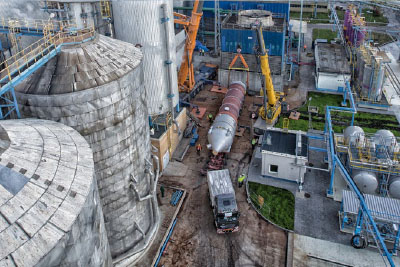
Installed in early 2023, the heat pump was assembled by Dalkia Froid Solutions and commissioned Dalkia on the cold and hot batteries for the drying process in April 2023 during the paper mill’s shutdown.
Key Suppliers / Partners
Armines, EDF and Dalkia (including Dalkia Froid Solutions).