Project description
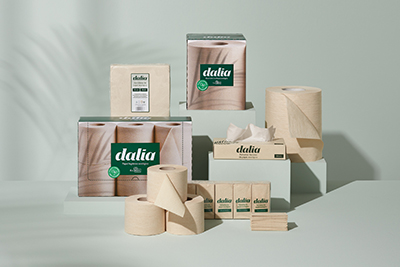
Essity, a global leader in hygiene products, invested 40 million euros in a sustainable alternative fibre facility at its tissue manunfacturing plant in Mannheim, Germany, producing high quality hygiene tissue products from wheat straw. The new cellulose made from straw is as soft, tear-resistant and highly absorbent as conventional cellulose made from wood fibres.
It is processed into hygiene products from the market-leading consumer brand Zewa. Water and energy use is reduced while the by-product is further refined into a substitute for oil-based chemicals. Globally, half of all straw goes unused. By using this agricultural by-product and making it into high-quality pulp, Essity becomes more circular and offers consumers a tissue product with less climate impact.
The implemented solution
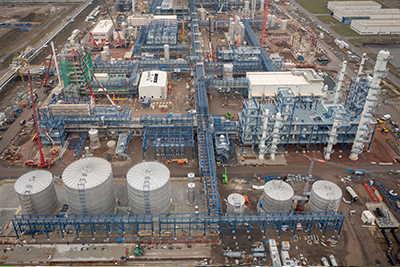
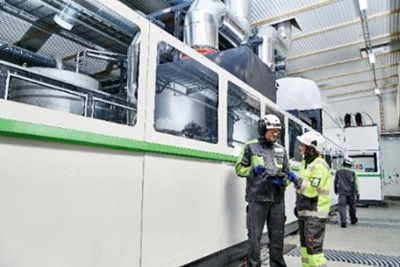
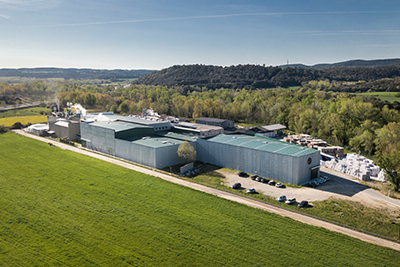
The new straw pulp plant extends across several buildings, including a new 10,000 m² straw warehouse. Straw bales are sorted and cleaned before entering the plant. In the bleaching tower, the straw is split into component parts and then bleached. The pulp is cleaned in a historic building that has been creatively converted. From the pulp storage tower it is pumped in liquid form, through a supply pipe of up to 1 km, directly to the paper machine. The by-product lignin is concentrated in the evaporation plant.
The key hurdles solved
The construction of the new ‘factory within a factory’ required enormous efforts in terms of financesand personnel. A project team of 64 different companies and 1.300 employees worked on the construction/conversion of the existing premises. A total of 2.050 tonnes of steel and 15 km of pipelines were constructed. Many requirements for building permits and for the protection of historical monuments and fire protection had to be met.
There was no ‘blueprint’ for the project because it was the first of its kind.