Kuura™ textile fibre from paper-grade pulp

Project description

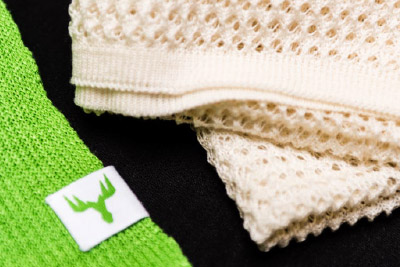
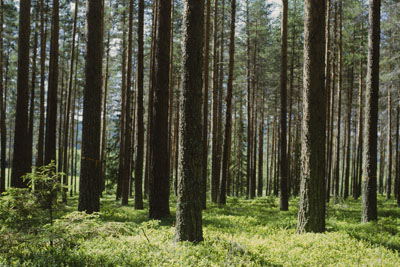
The aim of this project is to develop and demonstrate the feasibility of a new environmentally-friendly concept, in which paper-grade wood pulp is converted into a novel Kuura™ textile fibre (a lyocell staple fibre). The pulp is made by Metsä Group utilising Nordic spruce and pine, and the concept is based on integrating the textile fibre production to the entity making the pulp (i.e. to a bioproduct mill). The aim is to sustainably and efficiently increase the valorisation of pulp, and meet the growing demand for textile fibres by introducing to the market an alternative to, essentially, cotton fibres and other cellulosic fibres. The Kuura™ fibre is recyclable and Metsä Group can trace the main raw material all the way back to the original local forest.

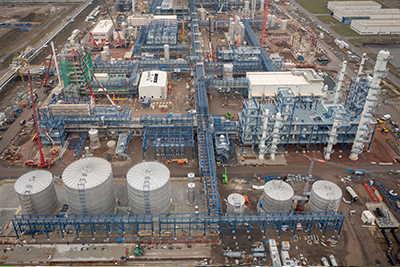
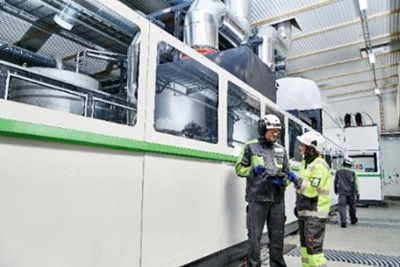
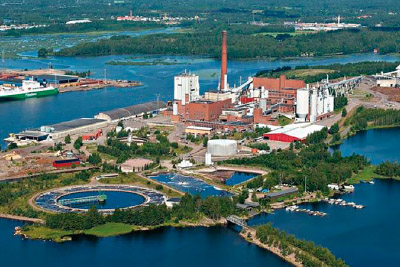
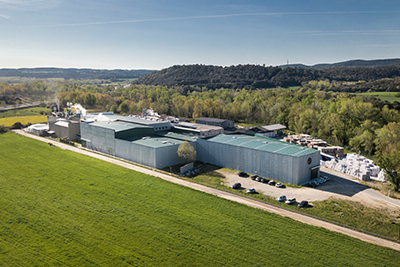
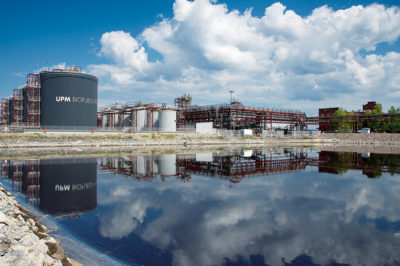
At the heart of this ongoing project is a semi-industrial production plant (a demo plant) located in Äänekoski, Finland. The demo plant is integrated to Metsä Group’s bioproduct mill and started up at the end of 2020.

The implemented solution

Kuura™ textile fibre has been researched and developed at the Äänekoski demo plant, among other places, since 2020. The technology used is essentially a modified direct dissolution method.

A pre-study (i.e. a conceptual design project) for a first possible commercial mill producing the Kuura™ textile fibre was completed at the end of 2024. In early 2025, the project moved into the so-called pre-engineering phase, which is estimated to last approx. 1.5 years.

The key hurdles solved

Our greenfield demo plant has enabled us to resolve several technological issues and led to a significant improvement in our market understanding.

Key Suppliers / Partners

The solution is a combination of many actors, including other companies, universities, research institutes and Metsä Group itself. Itochu Textile Company has been a main partner since 2014. Itochu is responsible for customer collaboration.

“Metsä Group’s innovation company Metsä Spring invests in and supports potential innovations and technologies that find new purposes and higher value for Nordic wood to replace fossil-based materials and chemicals in everyday products. We promote a culture of diversity, equality and inclusion.
To date, Metsä Spring has made six external start-up investments (Woodio, Innomost, Montinutra, Fiberwood, Adsorbi, and FineCell), and has launched three in-house development projects, Kuura™ textile fibre, Muoto packaging solutions and capture of biogenic CO2.”

Niklas von Weymarn
CEO Metsä Spring

The Project’s Achievements:

Investment
The demo phase investment is, so far, about 50 million euros. Part of the financing is a 16 million euro loan from Business Finland

CO2 emissions saved
According to a Life Cycle Assessment completed in 2024, the CO2 emissions of the new Kuura™ concept are significantly lower than those of cotton fibre or other man-made cellulosic fibres.
The LCA work was published on metsaspring.com (see Portfolio and Textile fibre from paper-grade pulp) as of mid-February 2025.

Any other sustainable benefits
Kuura™ textile fibre is produced from softwood kraft pulp, that has a higher yield from wood than dissolving pulp, which is commonly used as raw material in the production of man-made cellulosic fibres such as lyocell and viscose fibres. The bioproduct mill in Äänekoski generates significant amounts of excess renewable energy, which is used to produce the Kuura™ fibre. This energy integration and circular symbiosis provides a product with a clear climate change mitigation potential compared to the use of existing commercial textile fibres.

Other projects