Project description
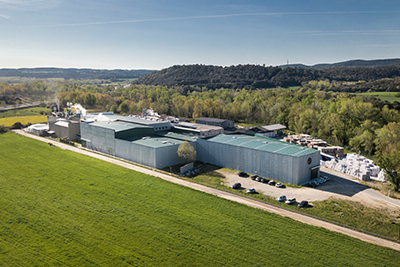
LC Paper has a strategy to mitigate all impacts of papermaking, including energy supply, raw materials and logistics.
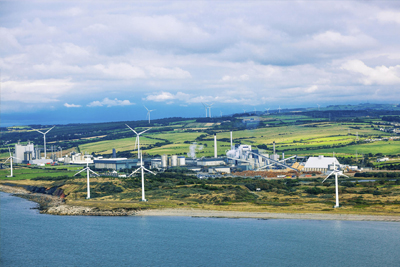
In 2017, it implemented a 4,6 megawatt peak on-site solar plant complemented with renewable electricity from the grid; a few years later biomass and biomethane boilers were installed to decarbonise low- and high-temperature process heat.
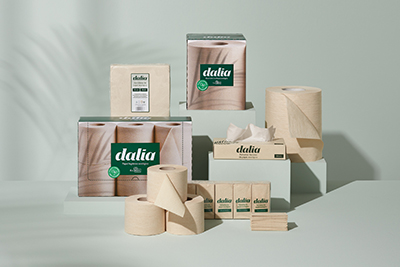
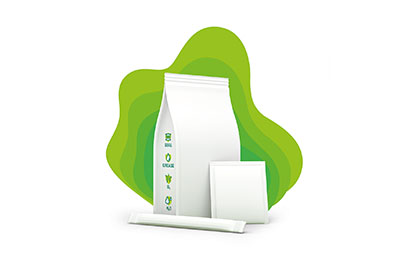
A special folding box board was developed to replace plastic shrink wrap for toilet roll retail packs. The virgin fibre raw materials originate exclusively from sustainably-managed forests with relevant certification.
The last big challenge was to recover high quality pulp from heterogeneous paper for recycling. LC Paper developed and implemented advanced processes to iteratively separate a variety of impurities (staples, clips, plastic windows in envelopes) and non-paper components (beverage cans, pieces of metal and plastic, organic waste). The very efficient and effective separation stages resulted in up to 18% more usable fibres for papermaking than the traditional processes.
The implemented solution
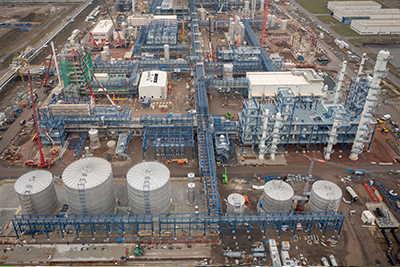
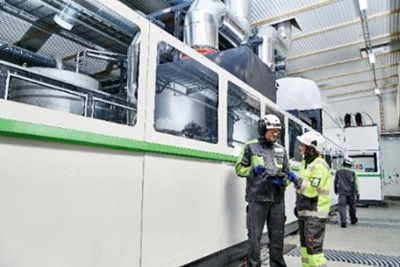
The process consists of several different advanced filters and material separators that iteratively classify the materials and sizes with a much higher degree of precision and fine tuning than equivalent classic processes, responding to the heterogeneous reality of recycled packaging versus the more homogeneous nature of copy and print paper, which was the main source of recycled paper some years ago.
The key hurdles solved
The lower consumption of post-consumer waste for the same amount of usable paper pulp is crucial considering the limited availability of paper for recycling.
The advanced separation process facilitates further valorisation of the non-paper components, and increases their circularity. The project adapts to a changing social reality: we print less paper and we read less printed books and newspapers, but we use more cardboard packaging.
Key Suppliers / Partners
- Machinery: Hellenbrand (Germany), Parason (India)
- Engineering: in-house