Project description
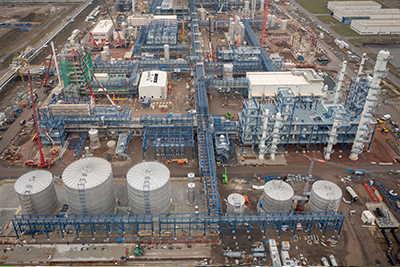
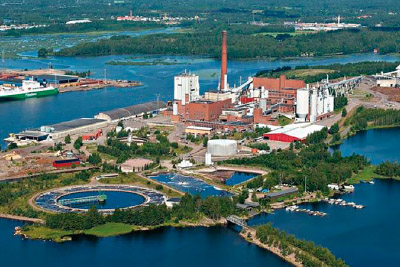
Kemi bioproduct mill represents the highest energy, material and environmental performance in the world. It is a brownfield project located in Metsä Group’s existing integrated mill (pulp and board operations) in the city of Kemi, Northern Finland.
The bioproduct mill produces pulp and other bioproducts. Its total annual capacity is 1,5 million tonnes of pulp replacing Metsä Fibre’s old pulp mill which had a capacity of 610 000 t/y. The new and larger bioproduct mill enables a business ecosystem to be further developed.
The mill operates completely fossil free and has 250% electricity self-sufficiency.
The implemented solution
The core is based on a traditional but efficient pulp production process. It produces pulp (both softwood and hardwood), tall oil, turpentine, electricity and steam. In addition, it produces product gas out of bark, biopellets from effluent treatment sludge and sulphuric acid from strong odorous gases for the mill’s own use. Any surplus bark and bio pellets are sold for external energy producers.
The low water consumption is achieved by efficient process water circulation and a closed cooling water system.
The key hurdles solved
During the pre-engineering phase, one of the main concerns of the local community was the impact of the heat load in the Bothnian Bay in front of the town of Kemi. This issue was solved by implementing a closed cooling water system with cooling towers.
During the COVID-19 epidemic, strict safety precaution measures were put into place at the construction site; at the peak, the headcount was 4.000 employees.
During and after the epidemic, the global cost inflation, constraints in supply chains and the war in Ukraine, had a major impact on the investment and availability of materials and workforce.
Key Suppliers / Partners
- Valmet Technologies
- ABB
- AFRY
- Fimpec