Project description
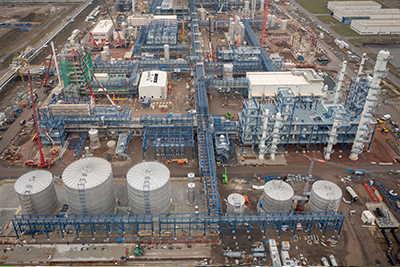
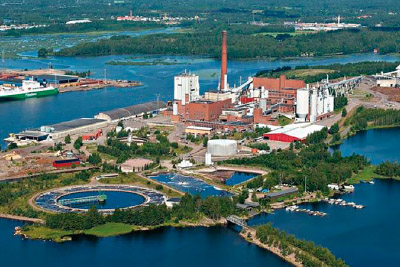
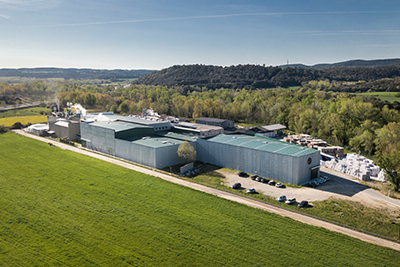
For over 40 years, SCA and Adven have been turning waste into value through circular economy solutions. In Timrå, Sweden, SCA operates one of the world’s largest production facilities for bleached softwood sulphate pulp, an energyintensive process that generates significant amounts of excess heat. Instead of letting this energy go to waste, it is captured and converted into district heating, now meeting nearly 90% of Timrå’s heating needs.
The implemented solution
When the collaboration started over 40 years ago, heat pumps were needed to increase the temperature of the residual heat. Over the years, the production processes have been streamlined to save energy and deliver higher-quality residual heat. When SCA’s residual products gain economic value, demands for quality rise, and the company benefits from further streamlining its production processes. Today, the energy delivery to Adven is already at a high temperature and can be directly transmitted into the district heating network.
The key hurdles solved
By integrating residual heat into Adven’s district heating network, the partnership has significantly reduced reliance on biofuels, lowered carbon emissions, and strengthened local energy security. Rather than competing for fuels, Adven and SCA have demonstrated how one can cut energy consumption and create more sustainable heat for society.
Beyond Timrå, this model is scalable. Any region with industrial operations and the right infrastructure can adopt it, making better use of local resources and turning excess energy into a shared asset for both industries and communities.
Key Suppliers / Partners
Adven